
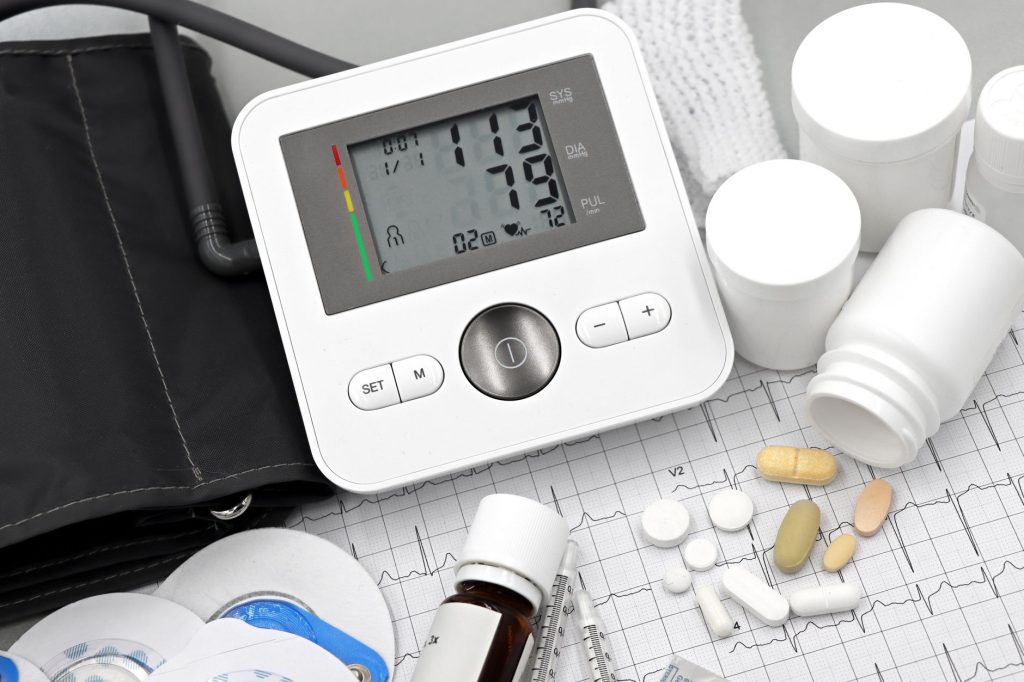
Photo by Marta Branco on Pexels
What Reveals AI-Driven Cardiovascular Disease Risk Assessment
June 23, 2026
3 min read
Reviewed by Editorial Team
Artificial Intelligence, Cardiovascular Disease, Histopathology
Introduction
The Artificial Intelligence-Driven Integrated Risk Assessment of Cardiovascular Disease (AIRA-CVD) is a revolutionary approach to identifying cardiovascular disease risk. By leveraging machine learning algorithms and integrating inflammatory biomarkers, histopathology, and clinical data, AIRA-CVD has the potential to transform the field of cardiovascular medicine. As researchers and clinicians, it is essential to establish a robust clinical validation pathway to ensure the accuracy and reliability of this innovative technology.
Clinical Validation Pathway
A proposed clinical validation pathway for AIRA-CVD involves a multi-step process, including data collection, model development, and model validation. This process requires the collaboration of experts from various fields, including cardiology, pathology, and computer science. By working together, researchers can develop a comprehensive framework that integrates inflammatory biomarkers, histopathology, and machine learning to provide accurate and reliable risk assessments. For instance, when implementing such a complex system, it’s crucial to get expert implementation help, such as from CodeCareLabs, to ensure seamless integration and optimal performance.
Inflammatory Biomarkers
Inflammatory biomarkers play a critical role in the development and progression of cardiovascular disease. By incorporating these biomarkers into the AIRA-CVD framework, researchers can gain a more comprehensive understanding of the underlying mechanisms driving disease risk. Some of the key inflammatory biomarkers that have been identified as relevant to cardiovascular disease include C-reactive protein, interleukin-6, and tumor necrosis factor-alpha.
Machine Learning
Machine learning is a critical component of the AIRA-CVD framework, enabling the analysis of complex data sets and the identification of patterns and relationships that may not be apparent through traditional statistical methods. By leveraging machine learning algorithms, researchers can develop predictive models that accurately identify individuals at high risk of cardiovascular disease. Some of the key machine learning techniques that have been used in AIRA-CVD include decision trees, random forests, and neural networks.
Histopathology
Histopathology is the study of tissue structure and function, and it plays a critical role in the diagnosis and management of cardiovascular disease. By incorporating histopathology into the AIRA-CVD framework, researchers can gain a more detailed understanding of the underlying mechanisms driving disease progression. Some of the key histopathological features that have been identified as relevant to cardiovascular disease include atherosclerotic plaque formation, myocardial fibrosis, and vascular inflammation.
Conclusion
In conclusion, the proposed clinical validation pathway for AIRA-CVD represents a significant step forward in the development of artificial intelligence-driven cardiovascular disease risk assessment. By integrating inflammatory biomarkers, histopathology, and machine learning, researchers can develop a comprehensive framework that provides accurate and reliable risk assessments. As the field of cardiovascular medicine continues to evolve, it is essential to establish robust clinical validation pathways to ensure the accuracy and reliability of innovative technologies like AIRA-CVD.
Looking to put these insights into practice? Our AI and automation consultants can help you turn this into a working solution — browse recent client work or get in touch to discuss your project.
Key Takeaways
- AIRA-CVD is a revolutionary approach to identifying cardiovascular disease risk
- A proposed clinical validation pathway for AIRA-CVD involves a multi-step process
- Inflammatory biomarkers play a critical role in the development and progression of cardiovascular disease
- Machine learning is a critical component of the AIRA-CVD framework
- Histopathology plays a critical role in the diagnosis and management of cardiovascular disease
Frequently Asked Questions
What is AIRA-CVD?
AIRA-CVD is the Artificial Intelligence-Driven Integrated Risk Assessment of Cardiovascular Disease, a revolutionary approach to identifying cardiovascular disease risk.
What is the proposed clinical validation pathway for AIRA-CVD?
The proposed clinical validation pathway for AIRA-CVD involves a multi-step process, including data collection, model development, and model validation.
What role do inflammatory biomarkers play in AIRA-CVD?
Inflammatory biomarkers play a critical role in the development and progression of cardiovascular disease, and are incorporated into the AIRA-CVD framework to provide a more comprehensive understanding of disease risk.
Original Source
Transparency note: This article was drafted with AI assistance based on publicly reported news and reviewed by our editorial team prior to publication. We aim for factual accuracy but recommend verifying critical details against primary sources.
How CodeCareLabs Can Help
Want to Integrate AI Into Your Business?
At CodeCareLabs, we help businesses implement AI automation, chatbots, and machine-learning integrations — turning the technology covered in this article into real-world efficiency gains for your team.
Tags
C
Published by
CodeCareLabs Editorial Team
CodeCareLabs is a digital agency specialising in AI development, automation, web design, and custom software. Our editorial team tracks the latest trends in technology to help businesses understand and act on what matters. About us →
★ 10+ Years Experience
★ 50+ Happy Clients
★ 250+ Projects Delivered
Related Articles


Related Services
Want to Improve Your Website or Automate Your Business?
Book a free 15-minute discovery call. No sales pitch — just honest advice on whether we can help, and how.
50+
Happy Clients
250+
Projects Delivered
5.0★
Client Rating
24h
Response Time