
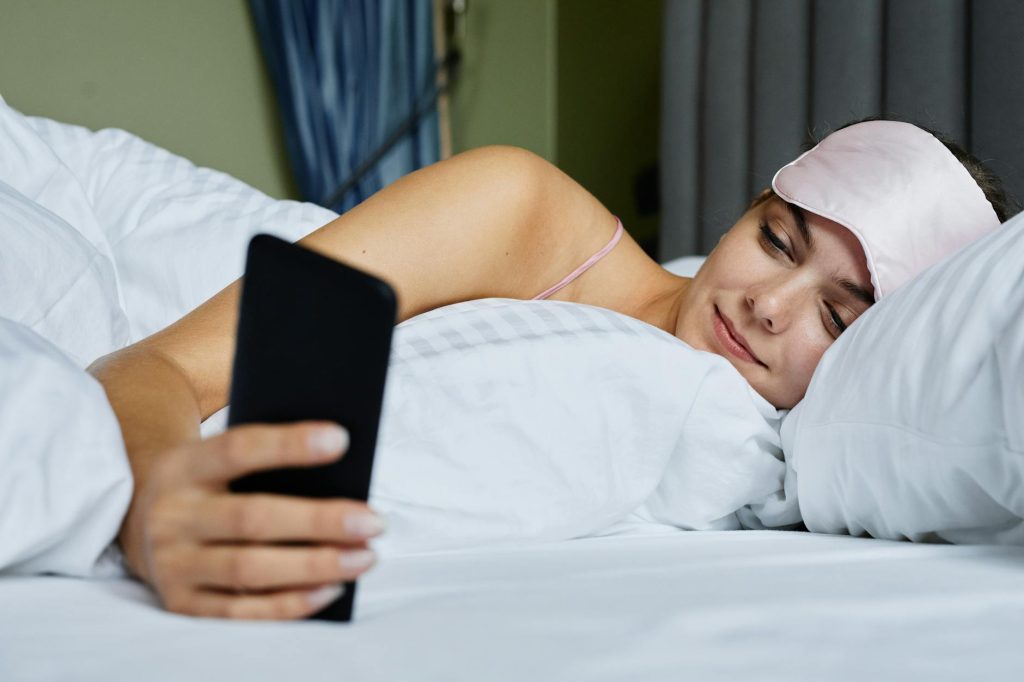
Photo by Marcus Aurelius on Pexels
Why Social Media Impacts Teen Sleep: Reveals Alarming Effects
May 29, 2026
3 min read
Reviewed by Editorial Team
blue light, mental health, sleep deprivation
Introduction to Social Media and Sleep
Social media has become an integral part of modern life, especially among teenagers. However, excessive social media use has been linked to various negative effects, including sleep deprivation. According to recent studies, up to 50% of teenagers report negative effects of social media on their sleep patterns, leading to concerns about the impact on their mental health and daily life.
The Science Behind Social Media and Sleep
Research has shown that the blue light emitted from smartphones, tablets, and computers can suppress the production of melatonin, the hormone responsible for regulating sleep-wake cycles. Furthermore, the constant notifications and alerts from social media can activate the brain’s reward system, releasing feel-good chemicals such as dopamine, making it difficult to wind down and fall asleep.
Consequences of Social Media on Teen Sleep
The consequences of social media on teen sleep can be severe, ranging from fatigue and decreased concentration to mood swings and increased risk of depression and anxiety. Moreover, sleep deprivation can also impact academic performance, as teenagers who do not get enough sleep may struggle to focus and learn new information.
Breaking the Cycle: Strategies for Healthy Social Media Use
To mitigate the negative effects of social media on sleep, teenagers and parents can take several steps. Firstly, establishing a bedtime routine that does not involve screens can help signal to the brain that it is time to sleep. Secondly, using blue light filtering glasses, apps, or software can reduce the amount of blue light emitted from devices. For those struggling to implement these strategies, getting expert implementation help from CodeCareLabs can provide personalized solutions to promote healthy social media use and improve sleep quality.
Conclusion
In conclusion, the impact of social media on teen sleep is a pressing concern that requires attention and action. By understanding the science behind social media and sleep, recognizing the consequences, and implementing strategies for healthy social media use, teenagers and parents can work together to promote healthier sleep habits and mitigate the negative effects of social media.
Recommendations for Parents and Teenagers
Some additional recommendations for parents and teenagers include setting screen-free zones and times, encouraging physical activity and outdoor play, and monitoring social media use. By taking these steps, teenagers can reduce their risk of sleep deprivation and other negative effects associated with excessive social media use.
- Establish a bedtime routine that does not involve screens
- Use blue light filtering glasses, apps, or software
- Set screen-free zones and times
- Encourage physical activity and outdoor play
- Monitor social media use
Looking to put these insights into practice? Our digital marketing experts can help you turn this into a working solution — browse recent client work or get in touch to discuss your project.
Key Takeaways
- Up to 50% of teenagers report negative effects of social media on sleep
- Social media use can suppress melatonin production
- Excessive social media use can lead to sleep deprivation and mental health concerns
- Establishing a bedtime routine and using blue light filtering glasses can help mitigate negative effects
- Getting expert implementation help can provide personalized solutions for healthy social media use
Frequently Asked Questions
What are the negative effects of social media on sleep?
The negative effects of social media on sleep include sleep deprivation, fatigue, decreased concentration, mood swings, and increased risk of depression and anxiety.
How can teenagers mitigate the negative effects of social media on sleep?
Teenagers can mitigate the negative effects of social media on sleep by establishing a bedtime routine that does not involve screens, using blue light filtering glasses, apps, or software, and setting screen-free zones and times.
What can parents do to help their teenagers promote healthy social media use?
Parents can help their teenagers promote healthy social media use by setting screen-free zones and times, encouraging physical activity and outdoor play, and monitoring social media use.
Original Source
Social media and sleep: up to 50% of teenagers report negative effects →
Transparency note: This article was drafted with AI assistance based on publicly reported news and reviewed by our editorial team prior to publication. We aim for factual accuracy but recommend verifying critical details against primary sources.
How CodeCareLabs Can Help
Ready to Grow Your Business Online?
Our digital marketing team combines SEO, PPC, and social strategy to drive measurable growth. We turn traffic into leads — and leads into paying customers.
C
Published by
CodeCareLabs Editorial Team
CodeCareLabs is a digital agency specialising in AI development, automation, web design, and custom software. Our editorial team tracks the latest trends in technology to help businesses understand and act on what matters. About us →
★ 10+ Years Experience
★ 50+ Happy Clients
★ 250+ Projects Delivered
Related Articles


Related Services
Want to Improve Your Website or Automate Your Business?
Book a free 15-minute discovery call. No sales pitch — just honest advice on whether we can help, and how.
50+
Happy Clients
250+
Projects Delivered
5.0★
Client Rating
24h
Response Time