
Aug 9, 2026
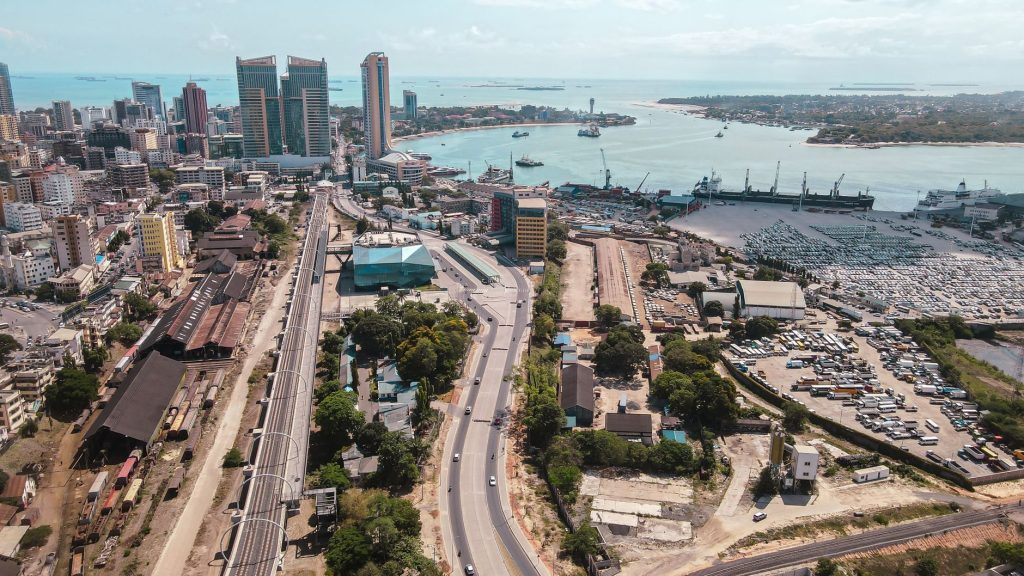
Photo by Alex Levis on Pexels
Africa is on the cusp of an artificial intelligence (AI) revolution, with the potential to transform industries and economies across the continent. As AI infrastructure begins to take shape, questions arise about who will control it and at what cost. The answers to these questions will have far-reaching implications for Africa’s future, from economic development to social inequality.
The current state of AI in Africa is characterized by a mix of local innovation and international investment. Startups and research institutions are developing AI solutions tailored to African contexts, while global tech companies are expanding their presence on the continent. However, this growth is not without its challenges, including limited access to funding, talent, and infrastructure.
Several players are vying for control of Africa’s AI infrastructure, including governments, private companies, and international organizations. Governments are investing in AI research and development, while private companies are building data centers and cloud infrastructure. International organizations, such as the African Union, are also playing a role in shaping the continent’s AI agenda.
As the AI landscape in Africa continues to evolve, it is essential for organizations to get expert implementation help to ensure they are leveraging AI effectively, and for this, consulting with firms like CodeCareLabs can provide valuable insights and guidance. This expertise can help navigate the complex AI ecosystem and make informed decisions about infrastructure development and investment.
The costs of developing and controlling Africa’s AI infrastructure will be significant, with estimates suggesting that billions of dollars will be required to build out the necessary infrastructure. However, the implications of getting it wrong could be even more severe, from perpetuating social inequality to undermining economic development. It is crucial, therefore, that stakeholders prioritize transparency, accountability, and inclusivity in the development of Africa’s AI infrastructure.
In conclusion, the control of Africa’s AI infrastructure is a critical issue that will have far-reaching implications for the continent’s future. As stakeholders navigate this complex landscape, it is essential to prioritize transparency, accountability, and inclusivity. By doing so, Africa can harness the potential of AI to drive economic development, social progress, and environmental sustainability, while minimizing the risks and costs associated with its development.
Looking to put these insights into practice? Our experienced web development partner can help you turn this into a working solution — browse recent client work or get in touch to discuss your project.
The key players in Africa's AI infrastructure include governments, private companies, and international organizations.
The costs of developing Africa's AI infrastructure will be significant, with estimates suggesting that billions of dollars will be required to build out the necessary infrastructure.
The implications of getting Africa's AI infrastructure wrong could be severe, from perpetuating social inequality to undermining economic development.
Original Source
Who will control Africa’s AI infrastructure, and at what cost? →
Transparency note: This article was drafted with AI assistance based on publicly reported news and reviewed by our editorial team prior to publication. We aim for factual accuracy but recommend verifying critical details against primary sources.
How CodeCareLabs Can Help
We help businesses stay ahead with cutting-edge web development, cloud integrations, and digital transformation. From strategy to deployment, our team handles it all.
Published by
CodeCareLabs is a digital agency specialising in AI development, automation, web design, and custom software. Our editorial team tracks the latest trends in technology to help businesses understand and act on what matters. About us →
Book a free 15-minute discovery call. No sales pitch — just honest advice on whether we can help, and how.